
Marine antifouling refers to the process of preventing the accumulation of unwanted organisms such as algae, barnacles, mussels, and bacteria on submerged surfaces of ships, boats, offshore structures, and marine equipment. Biofouling increases surface roughness, leading to higher fuel consumption, reduced vessel speed, increased greenhouse gas emissions, and greater maintenance costs. To combat this problem, antifouling coatings are applied to underwater surfaces. Traditional coatings contained toxic substances like tributyltin (TBT), which were highly effective but harmful to marine ecosystems. Modern antifouling technologies focus on environmentally friendly solutions, including copper-based paints, silicone foul-release coatings, and biocide-free coatings. These coatings either prevent organisms from attaching or make it easier for them to be removed by water movement. Effective antifouling systems play a crucial role in improving operational efficiency, reducing environmental impact, and extending the service life of marine vessels and structures operating in seawater environments worldwide.


This is your website preview.
Currently it only shows your basic business info. Start adding relevant business details such as description, images and products or services to gain your customers attention by using Boost 360 android app / iOS App / web portal.
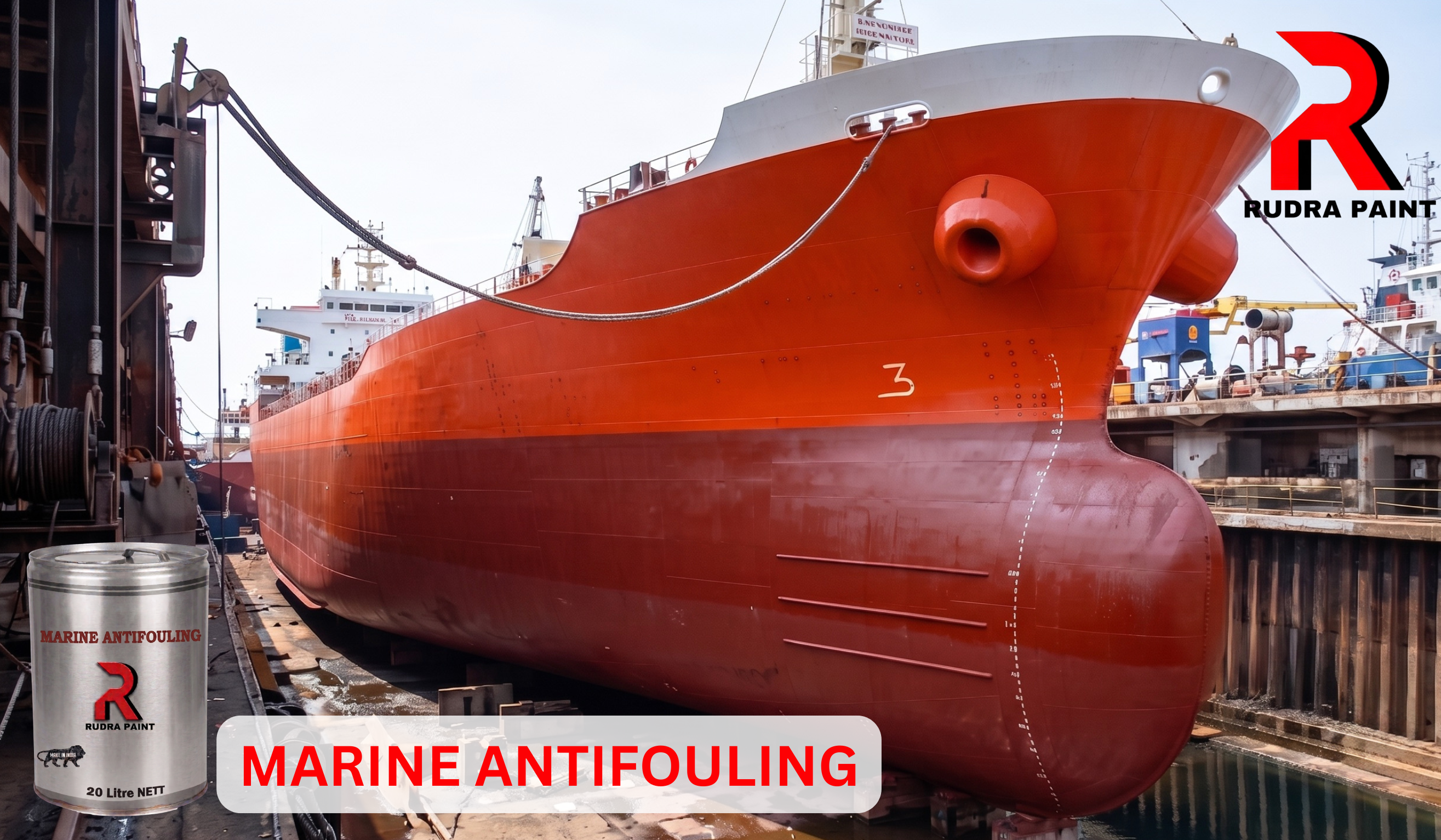
MARINE ANTIFOULING
2026-07-01T02:30:01
Marine antifouling refers to the process of preventing the accumulation of unwanted organisms such as algae, barnacles, mussels, and bacteria on submerged surfaces of ships, boats, offshore structures, and marine equipment. Biofouling increases surface roughness, leading to higher fuel consumption, reduced vessel speed, increased greenhouse gas emissions, and greater maintenance costs. To combat this problem, antifouling coatings are applied to underwater surfaces. Traditional coatings contained toxic substances like tributyltin (TBT), which were highly effective but harmful to marine ecosystems. Modern antifouling technologies focus on environmentally friendly solutions, including copper-based paints, silicone foul-release coatings, and biocide-free coatings. These coatings either prevent organisms from attaching or make it easier for them to be removed by water movement. Effective antifouling systems play a crucial role in improving operational efficiency, reducing environmental impact, and extending the service life of marine vessels and structures operating in seawater environments worldwide.
2026-07-01T02:30:01


Submit Your Enquiry