
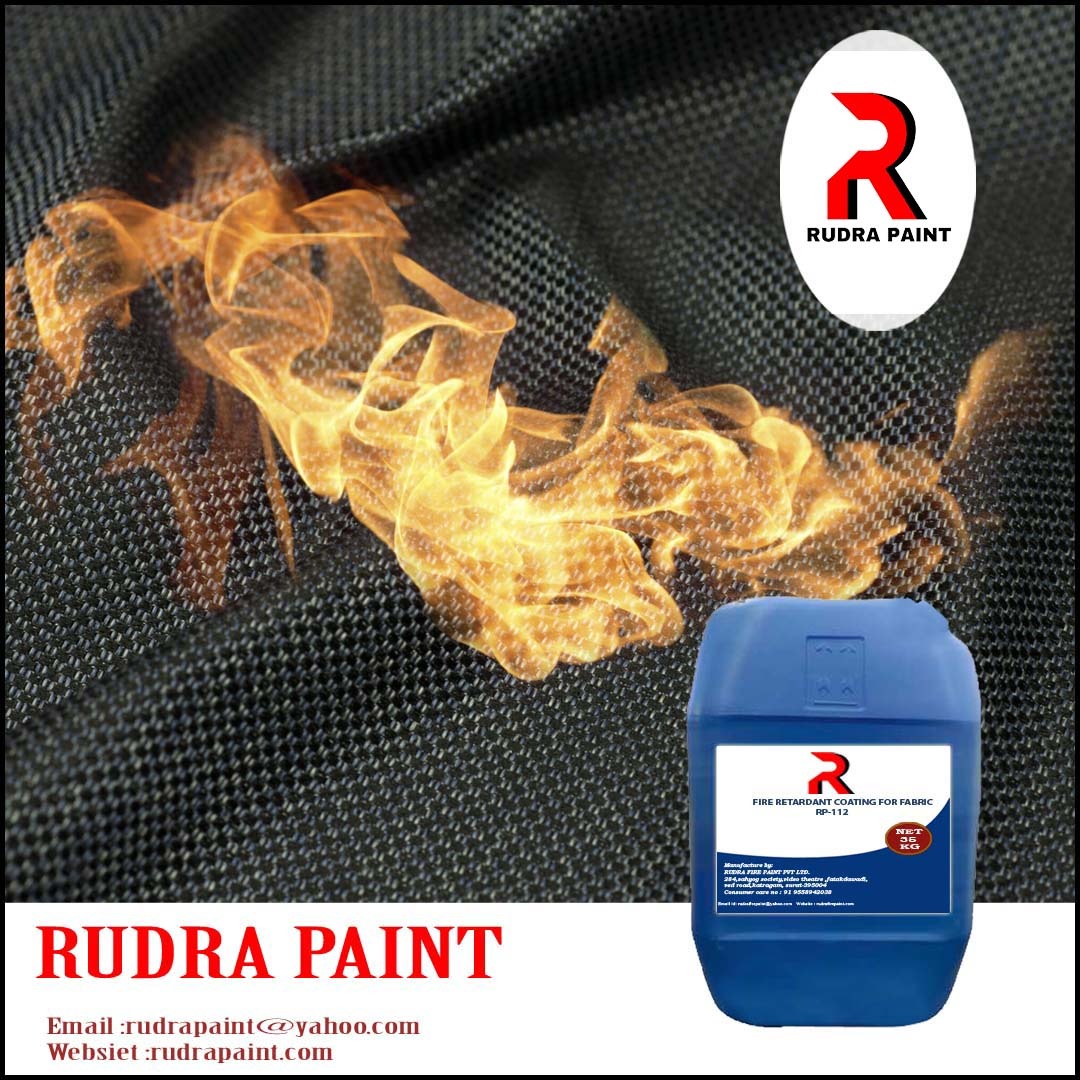
Water-based fire-retardant chemicals are widely used to treat textiles because they are safer, less toxic, and more environmentally friendly than solvent-based alternatives. These formulations use water as the primary carrier, allowing easy application through spraying, padding, or dipping processes. Common water-based retardants include phosphorus compounds (such as ammonium phosphate), nitrogen-based agents (like urea derivatives), and inorganic salts including borax and aluminum hydroxide. When exposed to heat, these chemicals react by promoting char formation, releasing water vapor, or producing inert gases that dilute oxygen and suppress flames. This reduces ignition risk and slows flame spread. Water-based systems are especially suitable for cotton and other natural fibers, though advancements now allow use on synthetic blends as well. They are commonly used in protective clothing for industrial workers, furnishings, and children’s sleepwear. Modern formulations aim to improve wash durability while maintaining fabric comfort, breathability, and compliance with safety and environmental standards.


This is your website preview.
Currently it only shows your basic business info. Start adding relevant business details such as description, images and products or services to gain your customers attention by using Boost 360 android app / iOS App / web portal.
Water-based fire-retardant chemicals
2026-04-13T02:30:10
Water-based fire-retardant chemicals are widely used to treat textiles because they are safer, less toxic, and more environmentally friendly than solvent-based alternatives. These formulations use water as the primary carrier, allowing easy application through spraying, padding, or dipping processes. Common water-based retardants include phosphorus compounds (such as ammonium phosphate), nitrogen-based agents (like urea derivatives), and inorganic salts including borax and aluminum hydroxide. When exposed to heat, these chemicals react by promoting char formation, releasing water vapor, or producing inert gases that dilute oxygen and suppress flames. This reduces ignition risk and slows flame spread. Water-based systems are especially suitable for cotton and other natural fibers, though advancements now allow use on synthetic blends as well. They are commonly used in protective clothing for industrial workers, furnishings, and children’s sleepwear. Modern formulations aim to improve wash durability while maintaining fabric comfort, breathability, and compliance with safety and environmental standards.
2026-04-13T02:30:10


Submit Your Enquiry