

Description
Product details
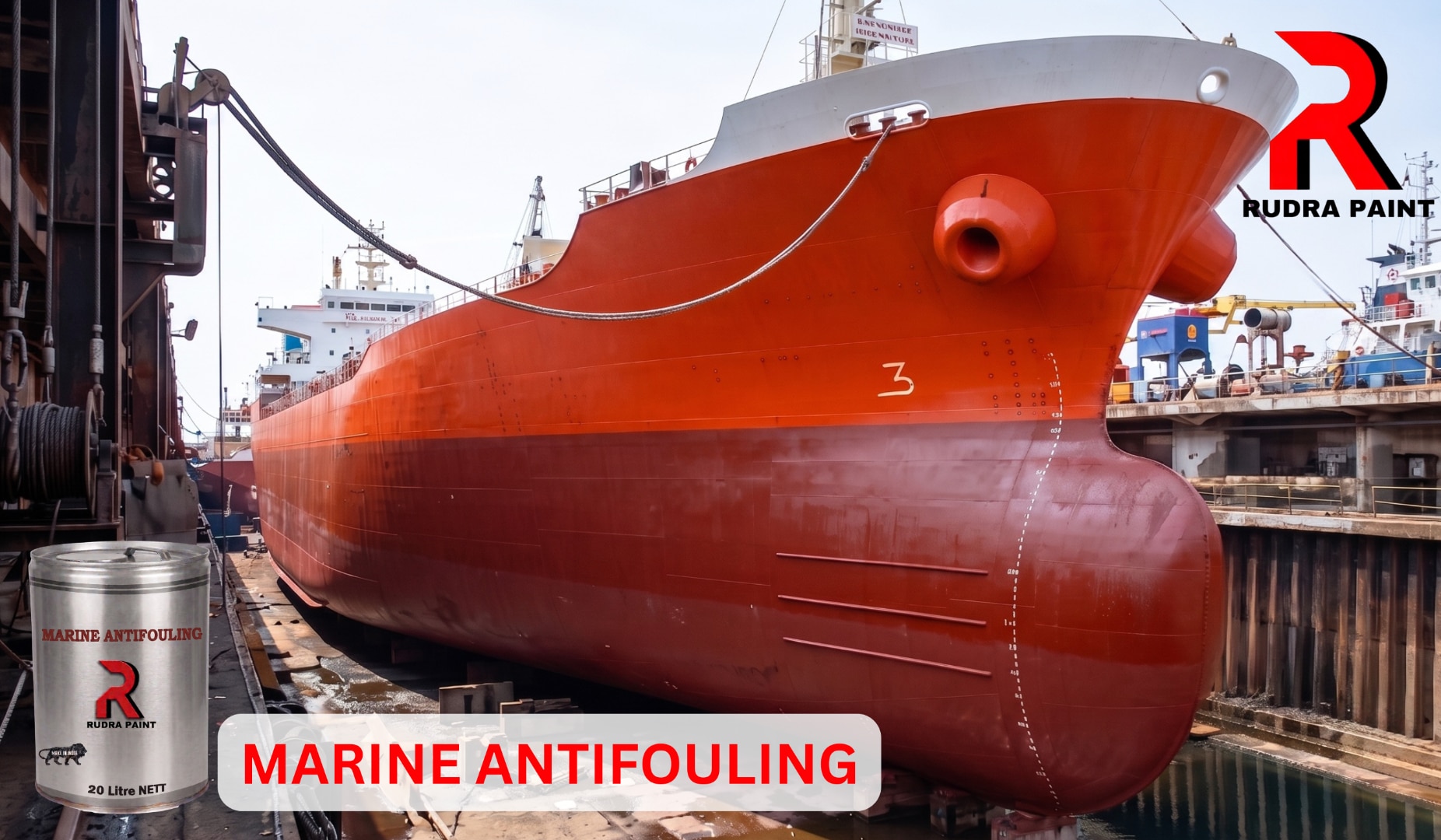
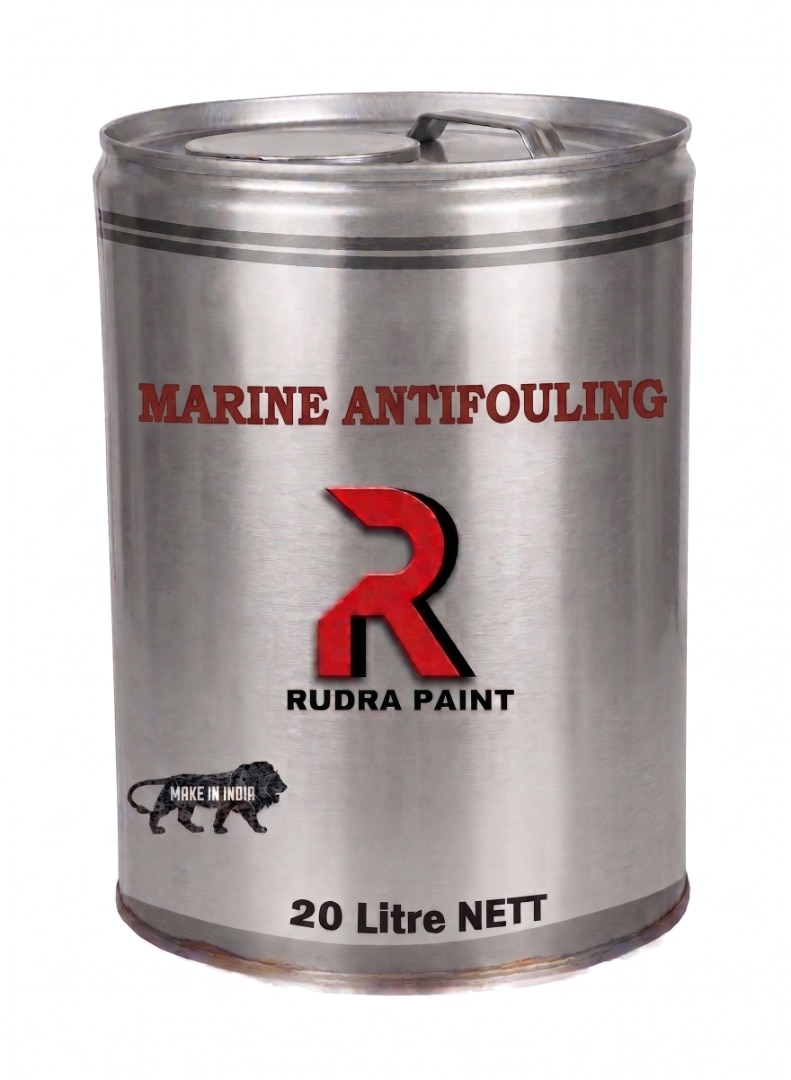
RP - 622 Marine antifouling refers to the prevention and control of unwanted organisms such as algae, barnacles, mussels, and bacteria that attach to submerged surfaces in marine environments. These organisms, collectively known as biofouling, can accumulate on ship hulls, offshore platforms, pipelines, and other underwater structures. Biofouling increases surface roughness, leading to higher fuel consumption, reduced vessel speed, increased greenhouse gas emissions, and greater maintenance costs. To combat these issues, various antifouling methods are used, including specialized coatings, biocidal paints, and environmentally friendly technologies such as silicone-based and foul-release coatings. Modern antifouling systems aim to minimize environmental impacts while maintaining effective protection against marine growth. Research continues to develop sustainable solutions that reduce the release of harmful chemicals into oceans. Effective marine antifouling plays a crucial role in improving operational efficiency, extending the lifespan of marine structures, and supporting environmental conservation in maritime industries worldwide.